CIESC Office Expansion Takes Shape at The Pyramids
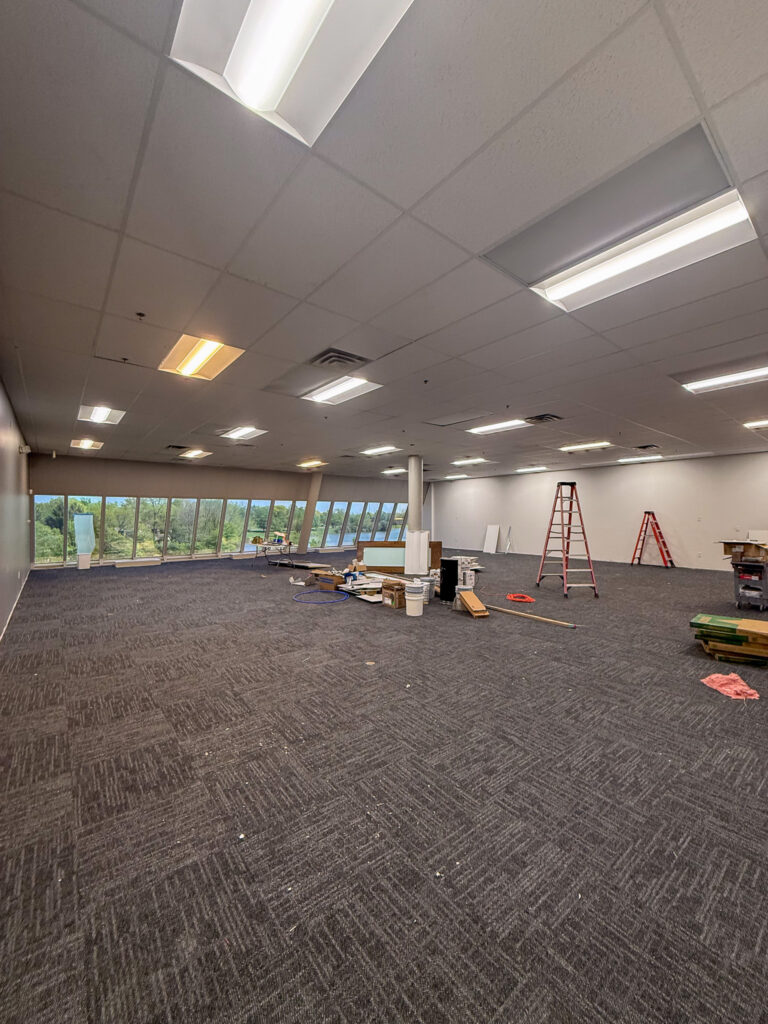
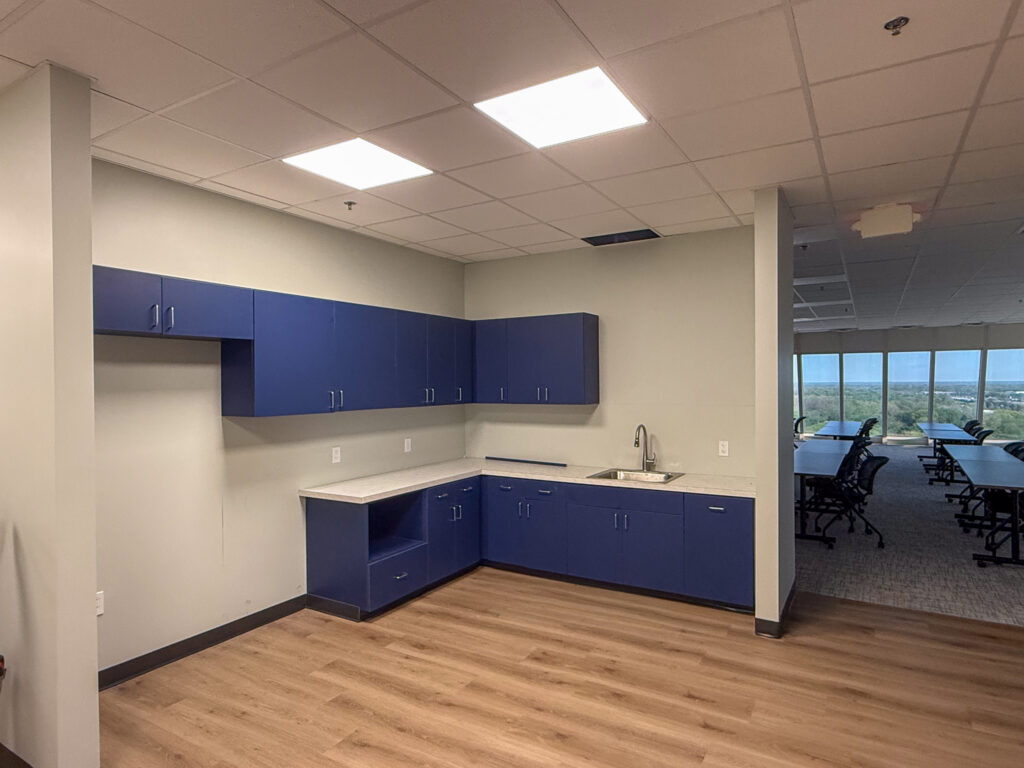
The CIESC office expansion at The Pyramids is entering the finishing phase, with flooring complete and ceiling, doors, and casework work underway.
SERVICES
– Development
– Construction
– Brokerage
– Property Management
– Impact
PORTFOLIO
– 401 South 4th Street
– 7 Saint Paul Street
– Brookshire Village Shoppes
– Capital Center
– City Park at Lincolnshire
– College Park Crossing
– Corner Shops
– Cumberland Marketplace
– Five Points Plaza
– Franklin Gateway
– Grassy Branch Marketplace
– Harvest Landing
– Hotel Indy
– Lebanon Gateway
– Nichol Avenue Development
– Noblesville Development
– Pendleton Development
– The Pyramids
– Spring Mill Station
– Village Plaza
– Village of West Clay
This post is part of KennMar Construction’s Multifamily Development Blog Series. If you missed the previous installments, check them out here:
Safety and fire protection are non-negotiable in multifamily construction. A well-designed building must protect residents, first responders, and property assets in the event of an emergency. Without proper planning, a fire or safety hazard can result in severe property damage, legal liability, and loss of life.
Modern building codes and safety regulations have evolved significantly to improve fire resistance, suppression, and evacuation strategies, but compliance alone is not enough. A truly safe multifamily development requires a proactive approach, integrating fire-resistant materials, advanced suppression systems, emergency egress planning, and modern detection technology.
At KennMar Construction, we take a comprehensive, code-driven approach to safety—ensuring our projects meet or exceed fire codes, life safety standards, and structural resilience. Through strategic material selection, integrated fire suppression, and proactive emergency planning, we help multifamily developers reduce risks and create secure, high-performing living environments for residents.
The first line of defense against fire is building with fire-resistant materials that slow the spread of flames, contain smoke, and maintain structural integrity under extreme conditions. Selecting the right materials at the outset of a project can reduce fire risk, extend evacuation time, and improve overall tenant safety while also helping developers meet stringent building codes.
Using fire-resistant materials throughout the building envelope and interior partitions not only enhances occupant safety but also minimizes structural damage, allowing for faster recovery and reduced rebuilding costs after a fire event.
A properly designed fire suppression system is critical in preventing fire from spreading and causing catastrophic damage. Sprinklers are proven to control or extinguish flames before they can endanger lives and property, making them an essential component of modern multifamily developments.
However, not all sprinkler systems are created equal. The type of system used must be carefully selected based on building height, climate conditions, and local fire codes. Without careful planning, a suppression system could be ineffective, require costly modifications, or fail to provide full coverage in critical areas.
By implementing high-performance fire suppression systems, we ensure that fires are controlled quickly and effectively, limiting risk to occupants and property.
Fires don’t just create flames—they fill buildings with thick, toxic smoke that can make evacuation nearly impossible. Many fire-related fatalities result from smoke inhalation rather than direct burns, making effective smoke control systems critical for resident safety.
Multifamily buildings require dedicated ventilation and smoke exhaust strategies that clear common areas, protect stairwells, and allow occupants to exit safely. Properly integrated smoke control systems improve evacuation efficiency and also help firefighters contain and suppress fires more effectively.
By prioritizing effective smoke control, we ensure safer evacuations and reduced fire-related injuries in multifamily developments.
Even the best fire prevention systems cannot eliminate all risks, which is why a well-designed evacuation plan is essential for protecting residents during an emergency.
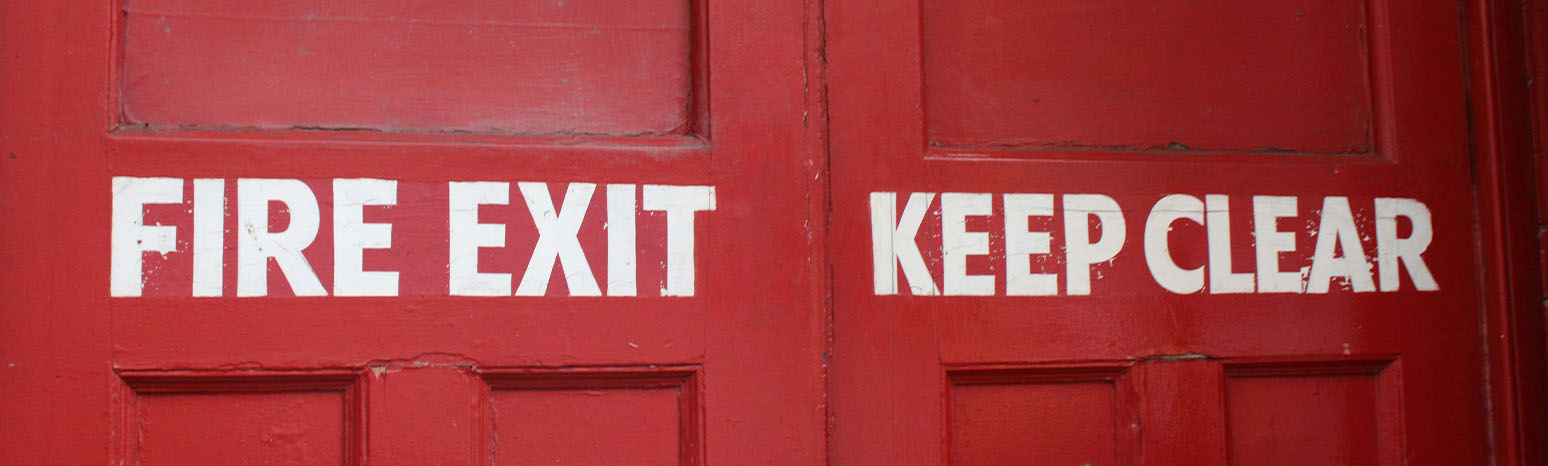
Multifamily developments must include clearly marked, unobstructed exit routes that provide safe, fast, and ADA-accessible pathways for all occupants. Inadequate egress planning can lead to dangerous bottlenecks, panic, and increased risk of injury in an emergency.
Through strategic egress planning, signage placement, and stairwell design, we create buildings that are safer for both residents and first responders.
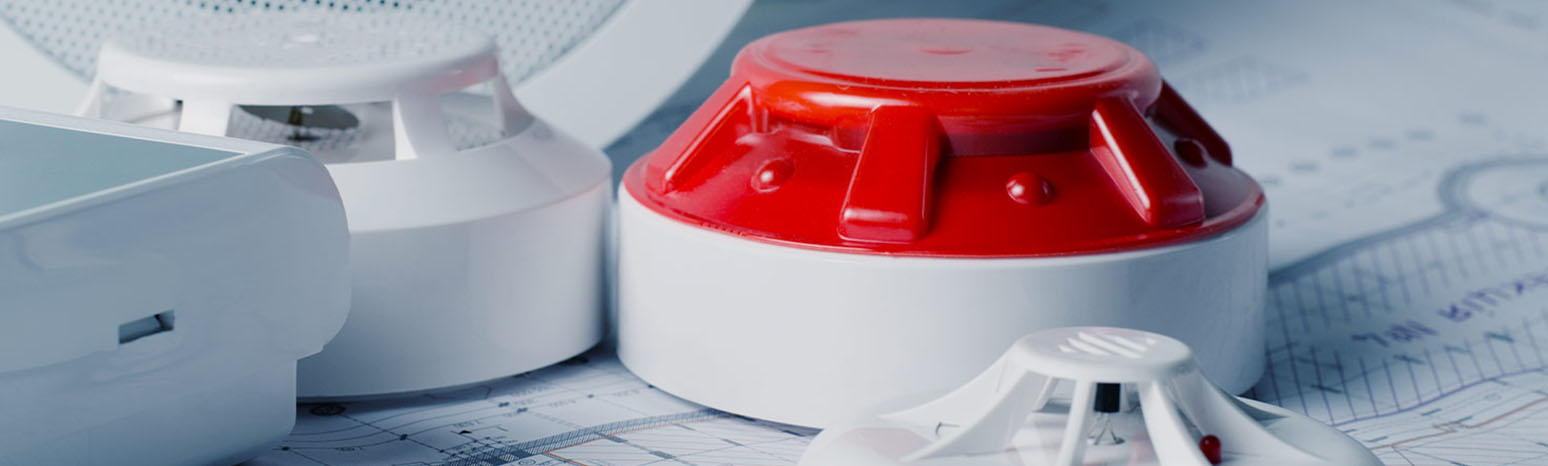
Modern fire safety isn’t just about suppression—it requires intelligent detection and alert systems to provide early warnings, improve response times, and minimize fire damage.
By incorporating modern fire detection and alarm technology, we help developers ensure early warnings and improved safety protocols in multifamily buildings.
At KennMar Construction, we believe that fire safety is not just about compliance—it’s about creating resilient, well-protected communities. By integrating fire-resistant materials, advanced suppression systems, emergency egress planning, and smart detection technologies, we ensure that multifamily developments meet the highest safety standards.
Stay tuned for the next installment in our Multifamily Development Series, where we explore Financing & Investor Expectations in Multifamily Development.

The CIESC office expansion at The Pyramids is entering the finishing phase, with flooring complete and ceiling, doors, and casework work underway.

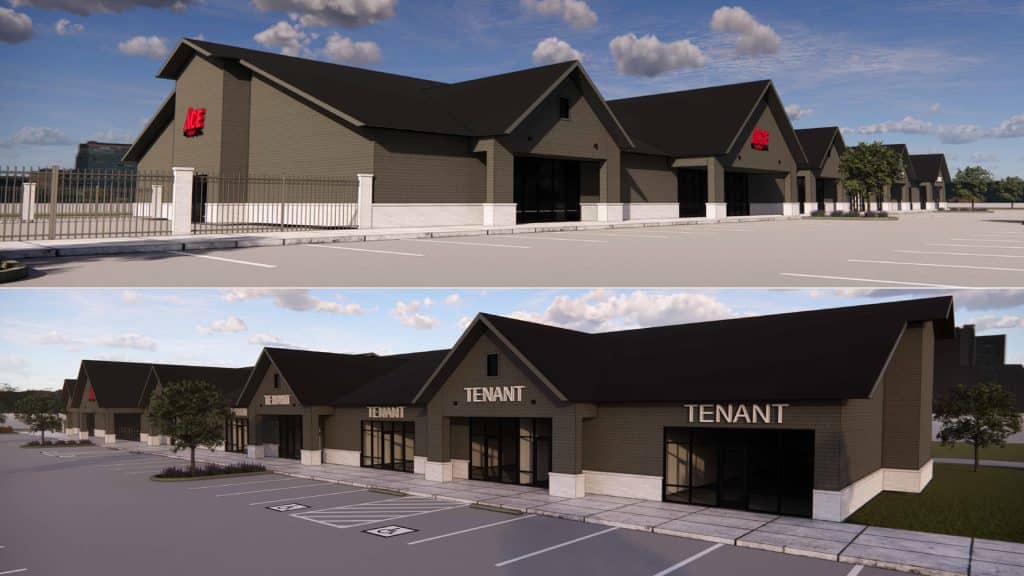
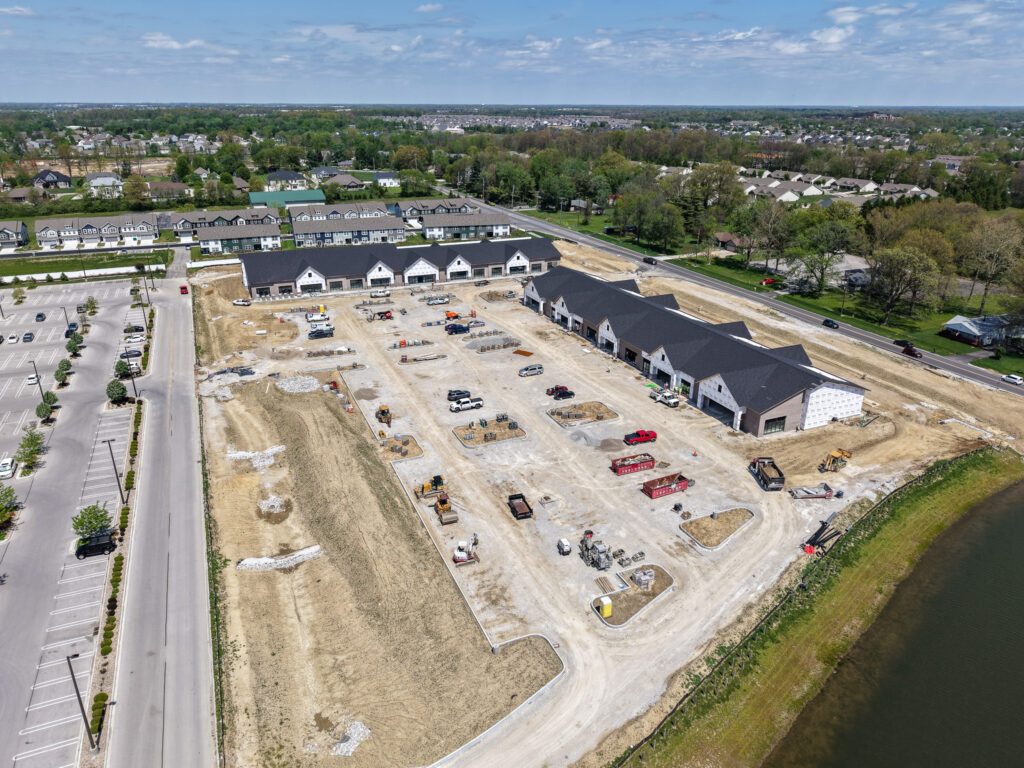
This Harvest Landing construction update highlights storefront progress, MEP work, and site prep as the project advances in Avon, Indiana.
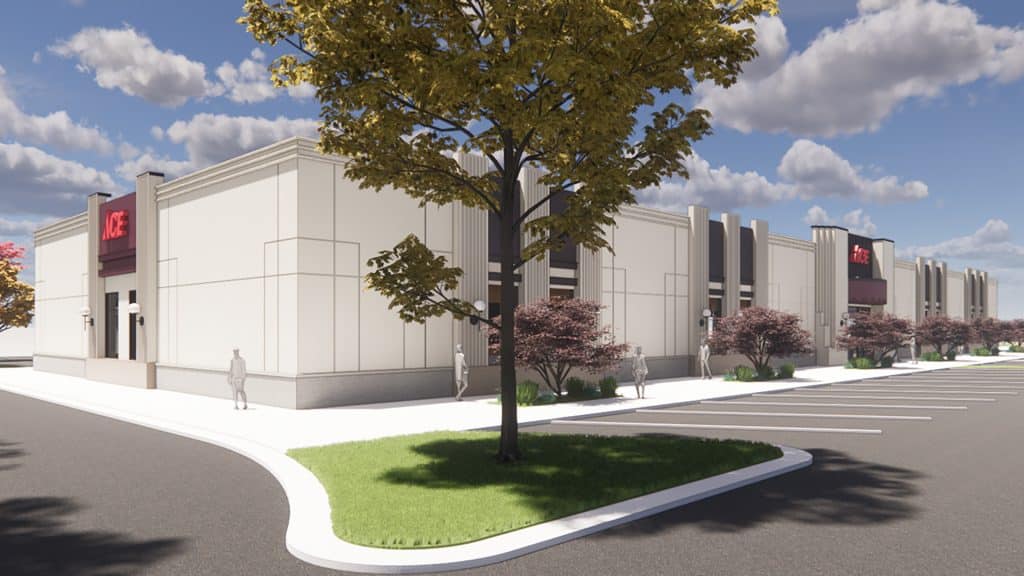
Demolition and framing are underway for a new FedEx Office buildout at The Pyramids, one of several tenant improvements currently in progress across the property.
Take a closer look at how our development projects serve our communities and our partners.