CIESC Office Expansion Takes Shape at The Pyramids
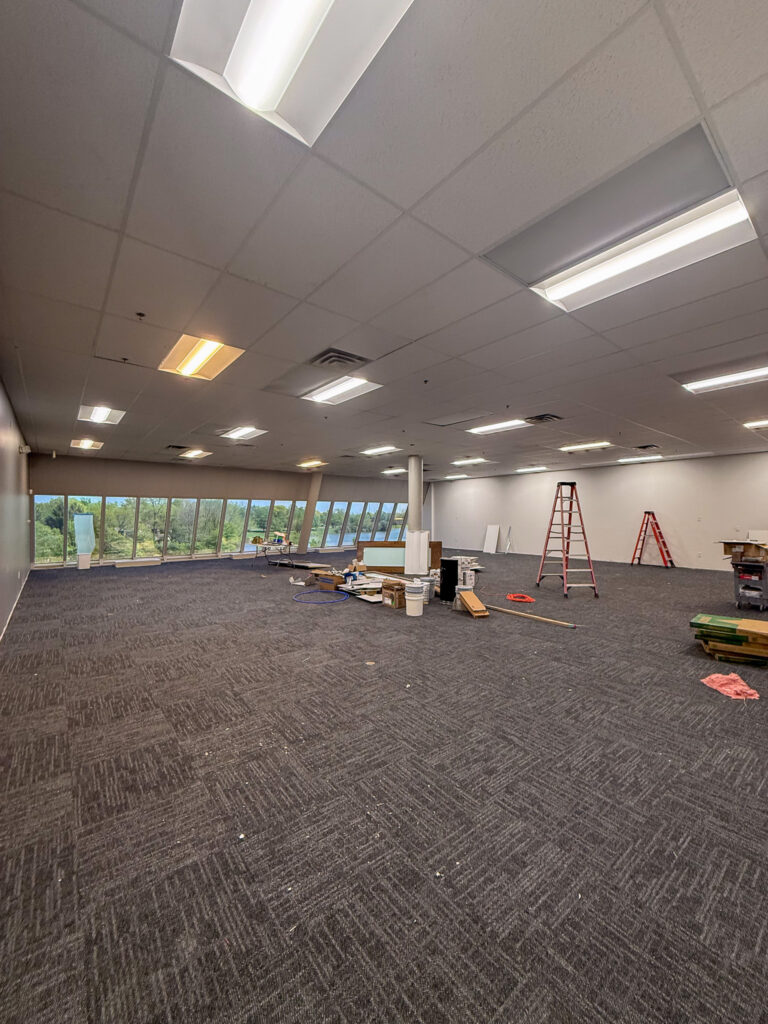
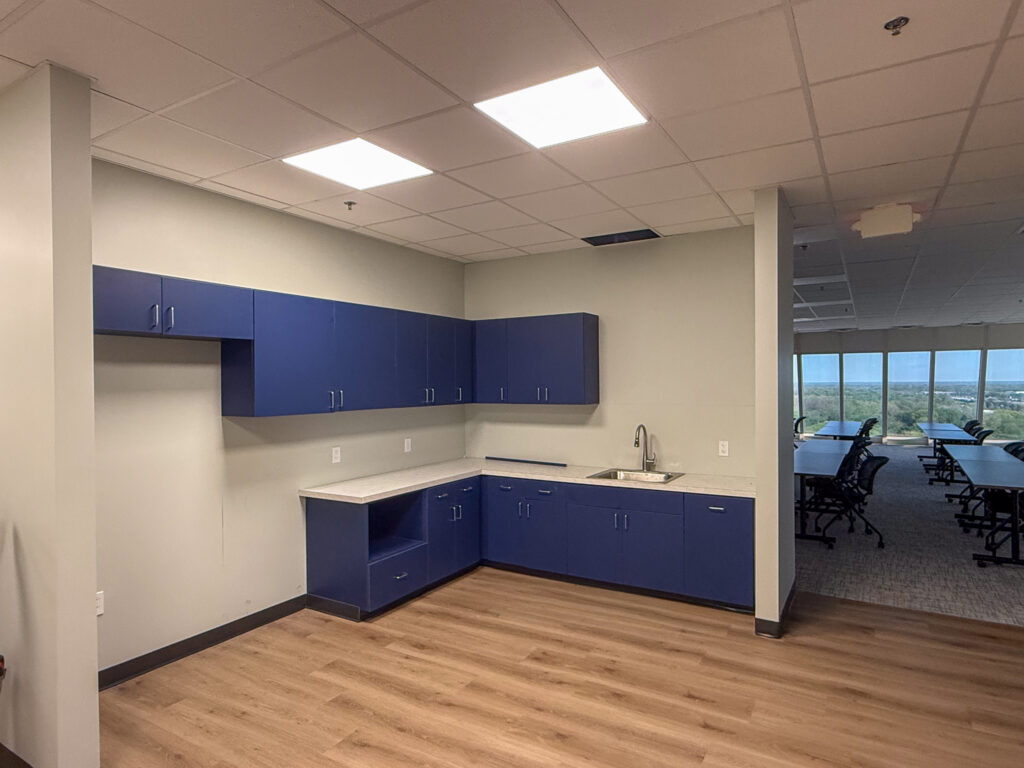
The CIESC office expansion at The Pyramids is entering the finishing phase, with flooring complete and ceiling, doors, and casework work underway.
SERVICES
– Development
– Construction
– Brokerage
– Property Management
– Impact
PORTFOLIO
– 401 South 4th Street
– 7 Saint Paul Street
– Brookshire Village Shoppes
– Capital Center
– City Park at Lincolnshire
– College Park Crossing
– Corner Shops
– Cumberland Marketplace
– Five Points Plaza
– Franklin Gateway
– Grassy Branch Marketplace
– Harvest Landing
– Hotel Indy
– Lebanon Gateway
– Nichol Avenue Development
– Noblesville Development
– Pendleton Development
– The Pyramids
– Spring Mill Station
– Village Plaza
– Village of West Clay
In commercial real estate, particularly within retail development, the choice of location is undeniably the foundation of success. An expertly chosen location can drive growth, attract quality tenants, and establish a lasting presence in the community. Conversely, an ill-advised location can significantly limit potential, resulting in underperformance and even failure. Therefore, a strategic, data-informed approach to retail site selection is essential for making sound decisions.
Understanding market trends is fundamental to making informed decisions in retail site selection. Trends evolve continuously, influenced by changing consumer behaviors, technology advancements, and economic factors. Successful developers continuously track these trends, adapting to shifts in consumer priorities such as:
For instance, consider the recent trend toward sustainability in retail development: businesses that proactively adopted eco-friendly building practices and energy-efficient technologies have experienced increased foot traffic and stronger community support compared to competitors who lagged behind. Similarly, technological advancements such as mobile ordering, curbside pickup, and digital storefronts have significantly reshaped consumer expectations, with customers increasingly preferring retailers that offer seamless, tech-integrated shopping experiences.
Additionally, current consumer preferences often favor locations offering ease of access, ample parking, or walkability—features that significantly impact site attractiveness.
Equally important are economic indicators, which can forecast consumer spending power and sustainability of demand for retail services. Key indicators include:
High employment rates and rising income levels typically correlate with increased consumer spending potential, making areas exhibiting strong economic growth, such as communities with planned infrastructure projects, increased commercial permits, or major employers relocating or expanding particularly attractive for retail investment.
Another critical aspect is identifying growth areas and emerging markets. Developers should look at neighborhoods undergoing significant residential expansion or revitalization initiatives. Understanding planned infrastructure improvements, upcoming residential developments, or new commercial corridors helps pinpoint locations that are not only viable now but will remain robust in the future.
Strategic positioning also demands attention to complementary and competitive elements in the surrounding area. Complementary businesses—such as popular dining establishments, entertainment venues, or service-oriented businesses—can create a synergistic effect that significantly enhances foot traffic and consumer interest. Conversely, direct competitors nearby can sometimes dilute market potential unless the location creates a strong retail cluster beneficial to all involved.
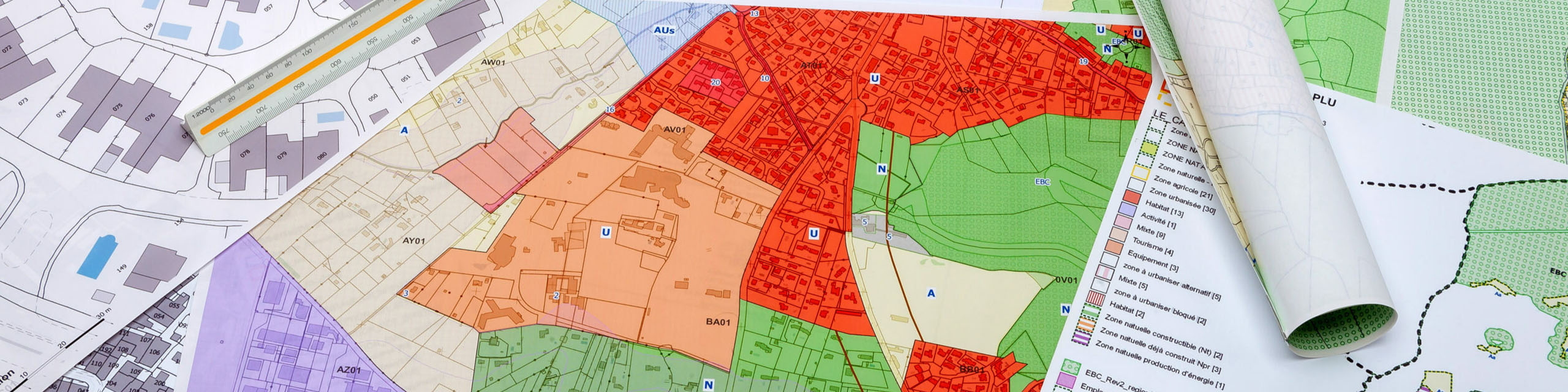
Understanding zoning laws and land-use regulations is equally crucial. These elements often dictate:
Engaging proactively with local planning authorities ensures compliance and helps mitigate unexpected hurdles during the development process.
Leveraging data and analytics is essential in making informed decisions about retail location selection. Detailed demographic insights can reveal valuable information about local consumer buying power, lifestyle preferences, and spending habits. Advanced analytics can uncover nuanced market gaps, highlighting underserved segments where a new retail presence could capture significant market share.
Continuously revisiting and refining market insights is integral to sustained success. A proactive approach means regularly revisiting collected data, staying informed about local economic shifts, and adjusting strategies accordingly. Anticipating rather than merely reacting to changes positions developers to remain ahead of competitors.
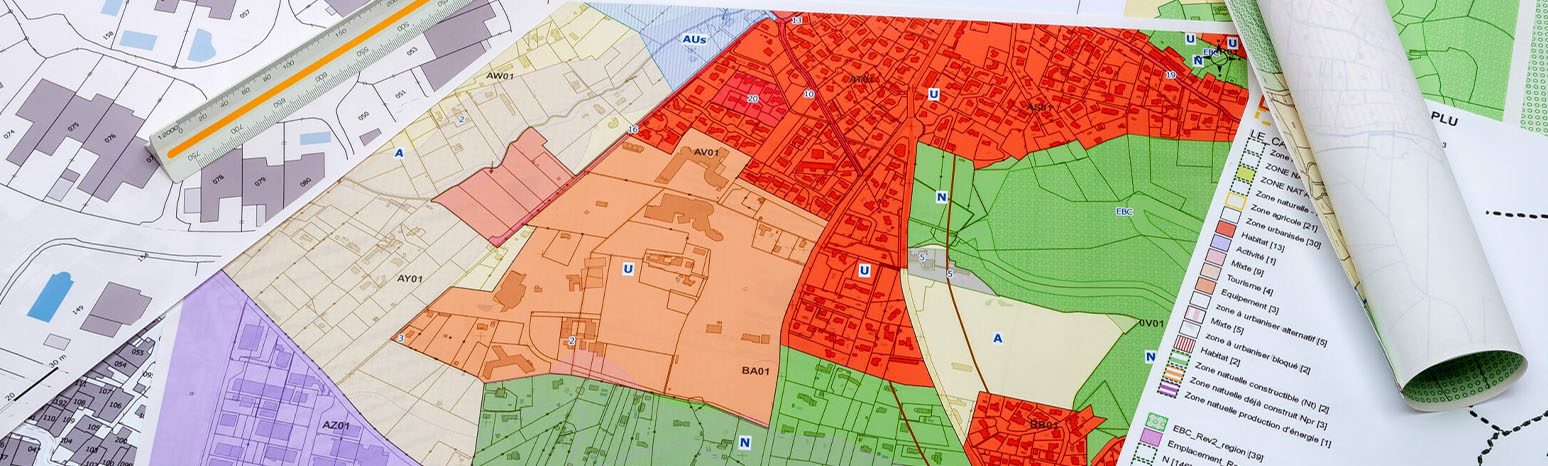
In short, successful retail site selection merges precise market analysis with strategic foresight. Developers and investors who commit to thorough, ongoing market assessment position themselves not only for immediate success but long-term profitability and growth.
Stay tuned for our next blog, where we explore the crucial role demographic analysis plays in successful retail site selection.

The CIESC office expansion at The Pyramids is entering the finishing phase, with flooring complete and ceiling, doors, and casework work underway.

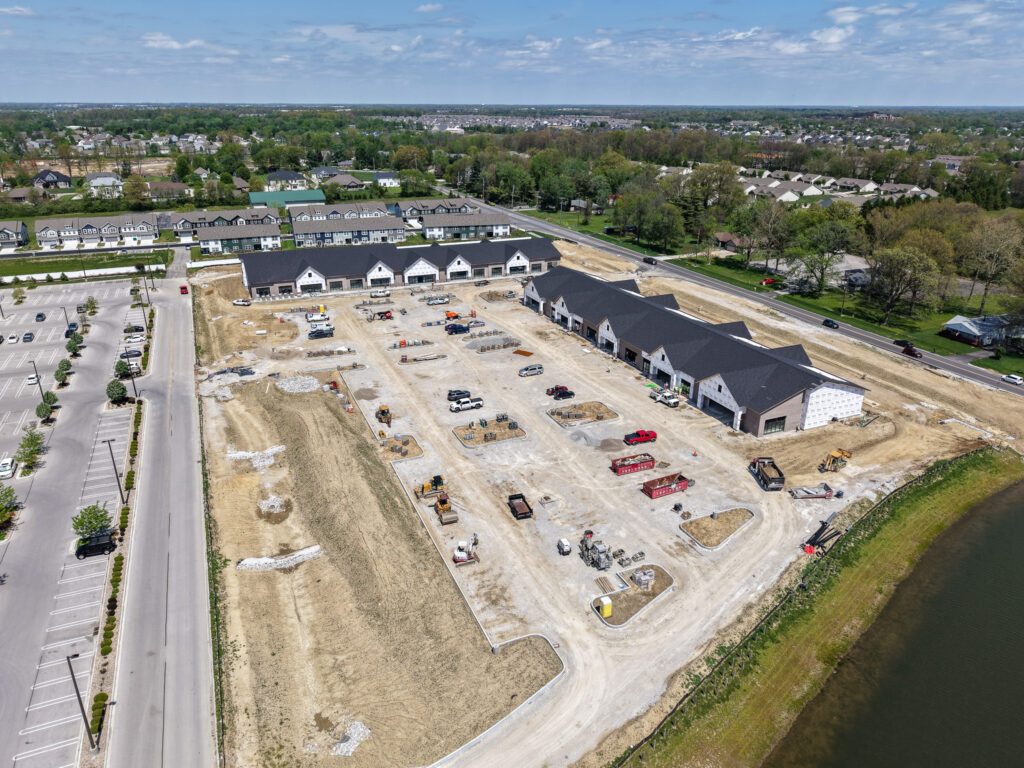
This Harvest Landing construction update highlights storefront progress, MEP work, and site prep as the project advances in Avon, Indiana.
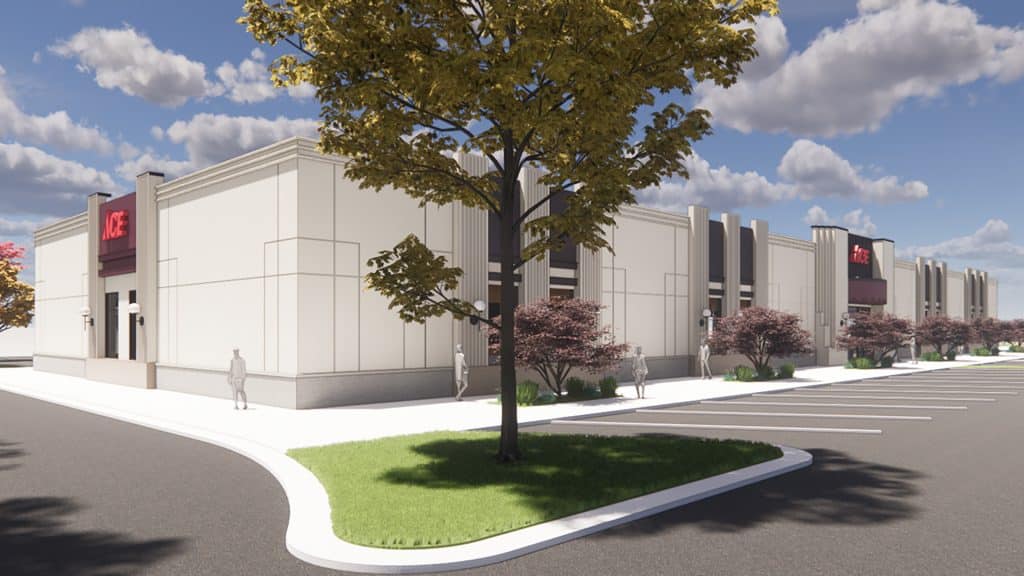
Demolition and framing are underway for a new FedEx Office buildout at The Pyramids, one of several tenant improvements currently in progress across the property.
Take a closer look at how our development projects serve our communities and our partners.