Accessibility & Traffic Patterns: Why They Matter

In the world of retail site selection, accessibility and traffic patterns are crucial factors that can significantly influence the success or failure of a development. Even the most attractive retail center can struggle if customers find it difficult or inconvenient to access.

Accessibility: Convenience is Key

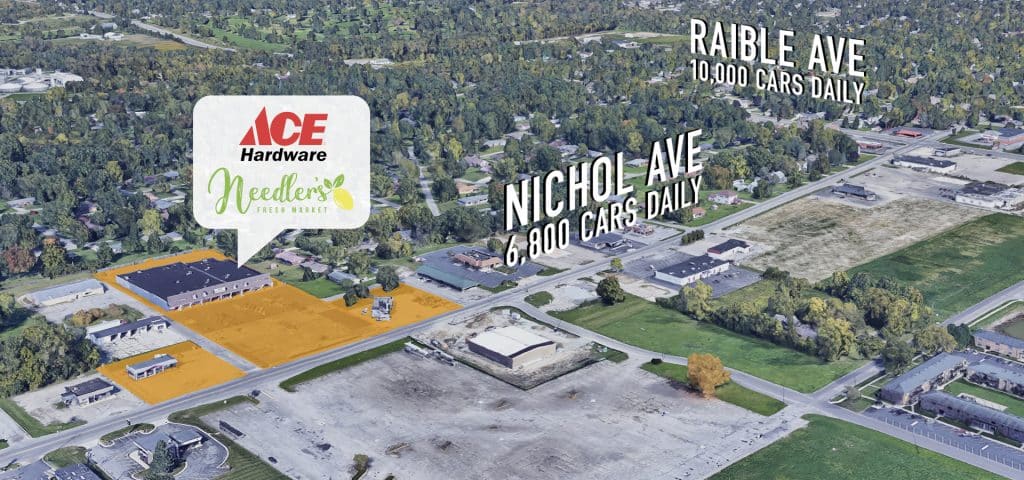
Accessibility refers to how easily customers can reach your retail location. Factors influencing accessibility include proximity to major roads or highways, clear and intuitive entrance points, ample parking availability, and convenient public transit options. Consumers often choose convenience over other factors, making accessibility a high priority.

For example, a retail center situated near a major highway exit or intersection can capture consistent customer flow, while a similar development tucked away from main thoroughfares may see fewer customers despite strong local demographics. Consider a hypothetical scenario where two grocery stores have similar offerings and demographics: the store conveniently located near a freeway exit or transit hub will likely attract significantly more customers than one that requires navigating multiple side streets. Conversely, inadequate evaluation of accessibility might result in unexpected congestion or insufficient parking, frustrating customers and deterring repeat visits.

Understanding Traffic Patterns

Analyzing traffic patterns involves studying the volume, flow, and timing of vehicles and pedestrian traffic near potential retail locations. High traffic volume doesn’t automatically guarantee success; the quality and characteristics of that traffic matter. Consider:

  • Peak Hours: When is traffic heaviest, and does it align with your business hours?
  • Directional Flow: Will customers easily enter and exit your location, or are they limited by one-way streets or difficult intersections?
  • Pedestrian Traffic: Especially relevant in urban areas or lifestyle centers, high pedestrian traffic can dramatically boost visibility and sales.

For instance, a hypothetical coffee shop located near a busy commuter intersection might enjoy excellent morning sales, whereas a restaurant at the same intersection might struggle during evening hours if traffic primarily moves away from the location after work. Failing to accurately assess traffic flow could place a retailer at a location where high traffic volumes create difficult or unsafe conditions for customers attempting to access or exit the site.

people using a crosswalk

Evaluating and Maximizing Traffic Potential

Maximizing traffic potential means choosing locations that naturally draw consistent, relevant traffic while also proactively addressing accessibility challenges. Steps to evaluate include:

  • Reviewing traffic studies to understand local patterns.
  • Considering proximity to complementary businesses that may enhance customer visits.
  • Identifying improvements (like signage, parking lot layouts, or pedestrian walkways) that could further enhance accessibility.

For example, a retail center next to a popular fitness gym might see increased traffic and sales if it features complementary businesses like smoothie shops, healthy dining options, or athletic apparel stores.

Impact of Future Development and Roadwork

Planned infrastructure projects and future road expansions can significantly impact accessibility and traffic patterns, influencing the long-term success of retail developments. It’s essential to research upcoming municipal plans and construction projects, which could either improve access to your site or temporarily hinder customer flow. For example, a planned highway expansion might initially cause traffic disruptions but could dramatically improve long-term customer accessibility and site attractiveness.

In summary, careful evaluation of accessibility and traffic patterns ensures your retail development is positioned to attract and retain customers. Accessibility isn’t just about convenience—it’s about creating a seamless customer experience that keeps shoppers returning.

Stay tuned for our next blog, where we’ll discuss the role of visibility and signage in successful retail site selection.

Read More About KennMar Construction

construction buildout

Body Alive Buildout Progress

Interior progress continues at Body Alive Fitness as drywall hanging nears completion and the space begins to take shape. With all in-wall rough-ins complete, crews are preparing for mudding, sanding, and paint, while key system access is being integrated within the hot yoga studio.

Read More »
a crane rises over a shopping center

Rooftop HVAC Work Underway at Body Alive Fitness

On a cold, early morning with snow still covering the roof, crews prepared the site for a major rooftop lift at Body Alive Fitness. Clearing the way for a new HVAC system designed for climate-controlled hot yoga, this milestone keeps the tenant buildout moving forward—proving that even winter conditions won’t slow progress.

Read More »

EXPLORE OUR PORTFOLIO

Take a closer look at how our development projects serve our communities and our partners.