CIESC Office Expansion Takes Shape at The Pyramids
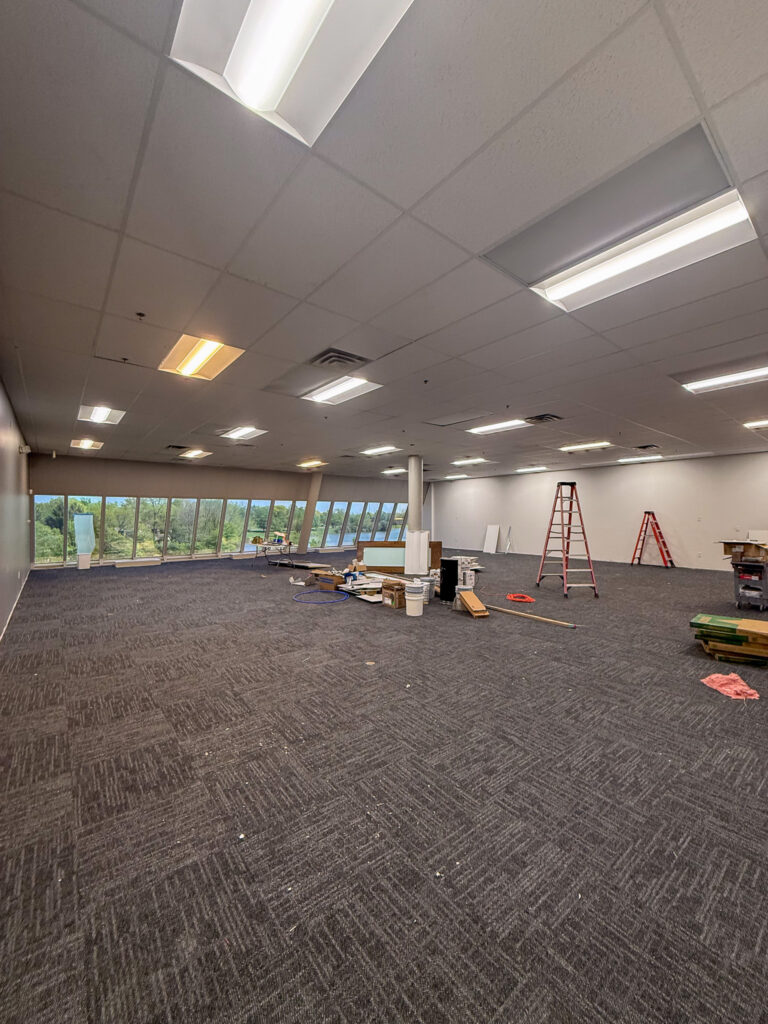
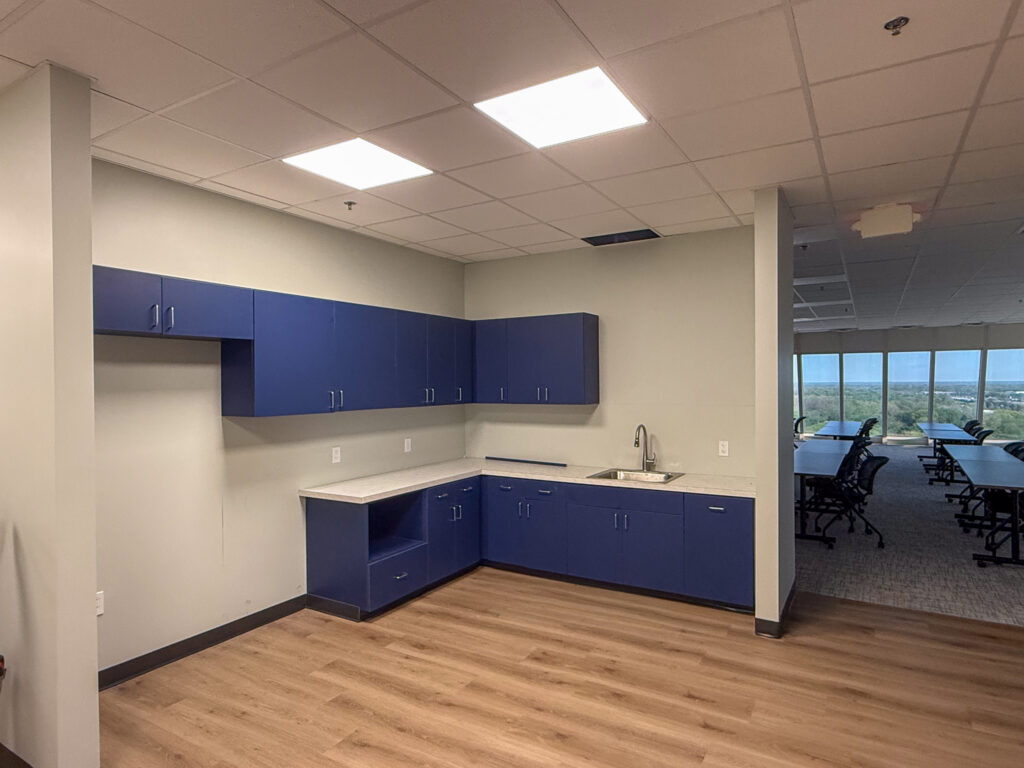
The CIESC office expansion at The Pyramids is entering the finishing phase, with flooring complete and ceiling, doors, and casework work underway.
SERVICES
– Development
– Construction
– Brokerage
– Property Management
– Impact
PORTFOLIO
– 401 South 4th Street
– 7 Saint Paul Street
– Brookshire Village Shoppes
– Capital Center
– City Park at Lincolnshire
– College Park Crossing
– Corner Shops
– Cumberland Marketplace
– Five Points Plaza
– Franklin Gateway
– Grassy Branch Marketplace
– Harvest Landing
– Hotel Indy
– Lebanon Gateway
– Nichol Avenue Development
– Noblesville Development
– Pendleton Development
– The Pyramids
– Spring Mill Station
– Village Plaza
– Village of West Clay
In the world of retail site selection, accessibility and traffic patterns are crucial factors that can significantly influence the success or failure of a development. Even the most attractive retail center can struggle if customers find it difficult or inconvenient to access.
Accessibility refers to how easily customers can reach your retail location. Factors influencing accessibility include proximity to major roads or highways, clear and intuitive entrance points, ample parking availability, and convenient public transit options. Consumers often choose convenience over other factors, making accessibility a high priority.
For example, a retail center situated near a major highway exit or intersection can capture consistent customer flow, while a similar development tucked away from main thoroughfares may see fewer customers despite strong local demographics. Consider a hypothetical scenario where two grocery stores have similar offerings and demographics: the store conveniently located near a freeway exit or transit hub will likely attract significantly more customers than one that requires navigating multiple side streets. Conversely, inadequate evaluation of accessibility might result in unexpected congestion or insufficient parking, frustrating customers and deterring repeat visits.
Analyzing traffic patterns involves studying the volume, flow, and timing of vehicles and pedestrian traffic near potential retail locations. High traffic volume doesn’t automatically guarantee success; the quality and characteristics of that traffic matter. Consider:
For instance, a hypothetical coffee shop located near a busy commuter intersection might enjoy excellent morning sales, whereas a restaurant at the same intersection might struggle during evening hours if traffic primarily moves away from the location after work. Failing to accurately assess traffic flow could place a retailer at a location where high traffic volumes create difficult or unsafe conditions for customers attempting to access or exit the site.
Maximizing traffic potential means choosing locations that naturally draw consistent, relevant traffic while also proactively addressing accessibility challenges. Steps to evaluate include:
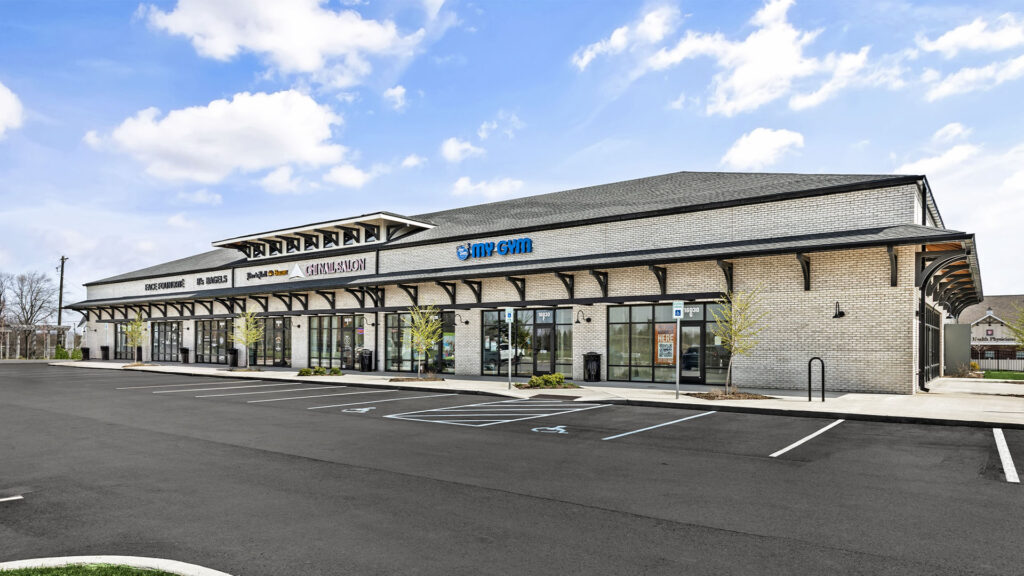
For example, a retail center next to a popular fitness gym might see increased traffic and sales if it features complementary businesses like smoothie shops, healthy dining options, or athletic apparel stores.
Planned infrastructure projects and future road expansions can significantly impact accessibility and traffic patterns, influencing the long-term success of retail developments. It’s essential to research upcoming municipal plans and construction projects, which could either improve access to your site or temporarily hinder customer flow. For example, a planned highway expansion might initially cause traffic disruptions but could dramatically improve long-term customer accessibility and site attractiveness.
In summary, careful evaluation of accessibility and traffic patterns ensures your retail development is positioned to attract and retain customers. Accessibility isn’t just about convenience—it’s about creating a seamless customer experience that keeps shoppers returning.
Stay tuned for our next blog, where we’ll discuss the role of visibility and signage in successful retail site selection.

The CIESC office expansion at The Pyramids is entering the finishing phase, with flooring complete and ceiling, doors, and casework work underway.

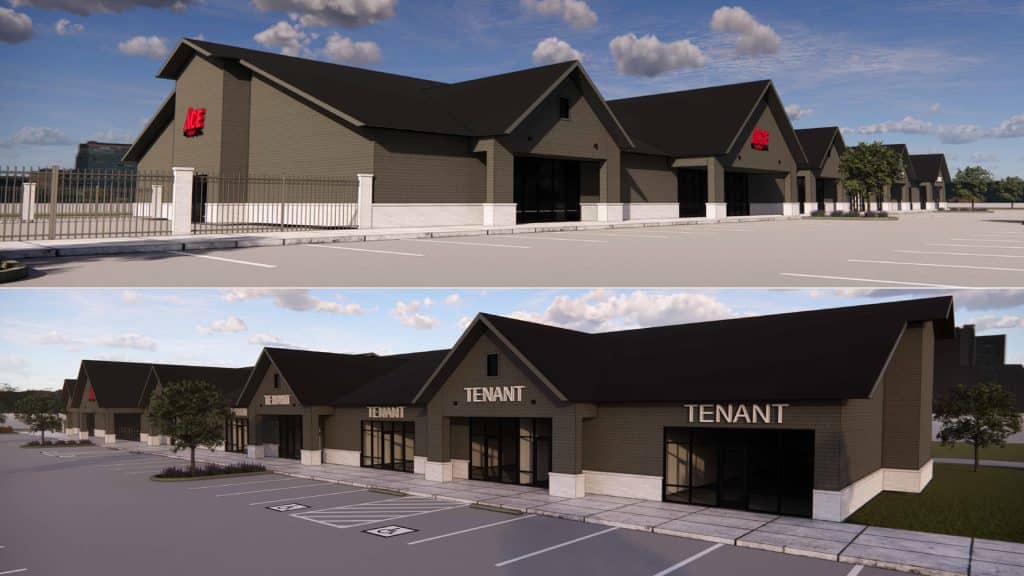
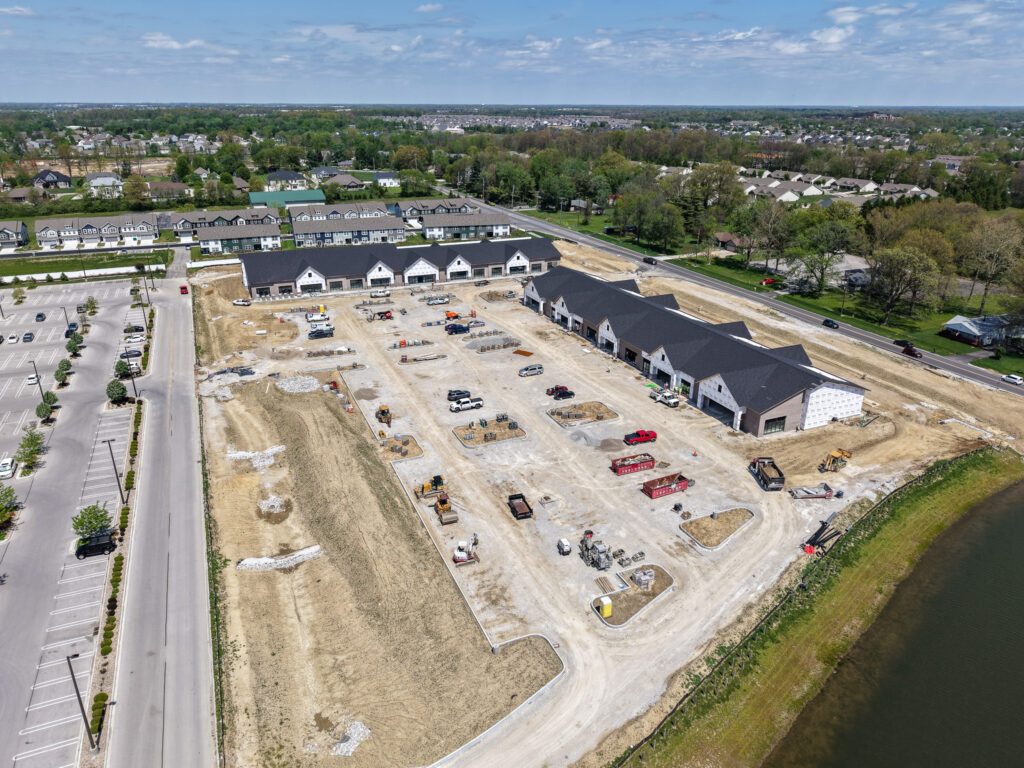
This Harvest Landing construction update highlights storefront progress, MEP work, and site prep as the project advances in Avon, Indiana.
Demolition and framing are underway for a new FedEx Office buildout at The Pyramids, one of several tenant improvements currently in progress across the property.
Take a closer look at how our development projects serve our communities and our partners.